
Understanding Vision Correction: What You Need to Know
Vision correction is a crucial aspect of eye care that encompasses various techniques designed to address common vision issues. As we progress into 2026, eye health has gained increased focus, particularly as advancements in medical technology have led to innovative treatments. Many individuals struggle with issues such as myopia, hyperopia, astigmatism, and presbyopia. Understanding these conditions and the treatments available can empower patients to make informed decisions about their eye health. When exploring options, visit extra guide for comprehensive insights on eye care strategies.
Common Eye Conditions and Their Impact
Common eye conditions such as myopia (nearsightedness), hyperopia (farsightedness), astigmatism, and presbyopia (age-related vision loss) affect a substantial portion of the population. Myopia leads to difficulty seeing distant objects, while hyperopia results in challenges with close vision. Astigmatism is caused by an irregular shape of the cornea or lens, resulting in blurred vision. Presbyopia, typically beginning in the early to mid-forties, affects the eye’s ability to focus on near objects, often necessitating reading glasses.
The impact of these conditions can range from minor inconveniences to significant disruptions of daily activities. Individuals may struggle with tasks such as reading, driving, or using digital screens, which can lead to frustration and a decrease in quality of life. The importance of addressing these issues cannot be overstated, as they can have both professional and personal ramifications.
The Science Behind Vision Correction Techniques
Vision correction techniques have evolved considerably over the years, harnessing advanced technology and surgical methods to provide effective solutions. One of the most common methods is corrective lenses, which include glasses and contact lenses. Glasses function by altering the light’s path as it enters the eye, allowing for clearer vision. Contact lenses serve a similar purpose but are placed directly on the cornea.
For those seeking a more permanent solution, surgical options are available, including LASIK (Laser-Assisted in Situ Keratomileusis) and PRK (Photorefractive Keratectomy). These procedures reshape the cornea to improve vision, often eliminating the need for glasses or contacts entirely. As techniques improve, the safety and effectiveness of these surgeries are consistently validated by research and clinical data.
Choosing the Right Treatment for You
Deciding on a vision correction method involves careful evaluation of personal needs, lifestyle, and eye health. Factors such as age, the severity of vision impairment, and any pre-existing conditions will play a significant role in this decision-making process. Consulting with an eye care professional is essential as they can provide personalized recommendations based on comprehensive assessments.
Additionally, it’s important to stay informed about emerging treatments and technologies that may suit individual preferences, including options like ICL (Implantable Collamer Lens) and Toric ICL, which are designed for specific vision correction needs.
The SNU Eye Clinic Advantage: Why Choose Us
The SNU Eye Clinic stands out as a premier eye care facility, providing a wide range of treatments and services tailored to meet the unique needs of each patient. With a proven track record and a commitment to excellence, we ensure that our patients receive the highest standard of care available in Korea. Our state-of-the-art facility and highly trained staff are dedicated to delivering optimal results.
Proven Track Record: Over 50,000 Surgeries Completed
With over 50,000 surgeries completed, SNU Eye Clinic has established itself as a leader in the field of eye surgery. Our extensive experience is complemented by a focus on patient satisfaction and innovative techniques, ensuring that each procedure is carried out with exceptional precision. This commitment to excellence not only enhances surgical outcomes but also fosters trust and confidence among our patients.
Comprehensive Eye Health Assessment: 52 Detailed Tests
At SNU Eye Clinic, we conduct a thorough assessment of each patient’s eye health through a comprehensive program featuring 52 detailed tests across seven categories. This extensive testing protocol enables us to identify any underlying conditions that may disrupt vision and tailor our treatment strategies accordingly. Our focus on individualized care ensures that patients receive the most effective solutions to their specific vision needs.
Personalized Care with 1:1 Vision Correction
Our 1:1 Vision Correction approach guarantees that each patient receives personalized attention throughout their treatment process. From initial consultations to post-operative follow-ups, our team is dedicated to addressing all questions and concerns, ensuring a comfortable experience. This level of care is essential in nurturing long-term relationships with our clients and positively impacting their overall satisfaction.
ICL and Toric ICL: Advanced Solutions for Vision Needs
Among the innovative vision correction options available today, ICL and Toric ICL procedures stand out for their effectiveness in treating specific refractive errors. These advanced technologies offer solutions for individuals not suited for LASIK or those seeking a reversible option.
Understanding ICL and Its Benefits
ICL, or Implantable Collamer Lens, is a surgical option where a lens is placed inside the eye to provide clear vision. This technique is particularly beneficial for those with high levels of myopia or hyperopia who may not be ideal candidates for laser procedures. The ICL procedure has several advantages, including quick recovery times, minimal discomfort, and the ability to be removed or replaced if necessary.
Who is a Good Candidate for Toric ICL?
Toric ICL is specifically designed for patients with astigmatism. This innovative lens not only corrects nearsightedness or farsightedness but also addresses astigmatism, providing clearer and more stable vision. Candidates for Toric ICL typically include individuals aged 21 and older with stable vision who are seeking a long-term solution to their eye care needs.
Comparing ICL with Traditional Vision Correction Options
When comparing ICL to traditional vision correction methods like glasses and contact lenses, several factors come into play. While glasses and contacts are non-invasive and provide immediately adjustable vision correction, ICL offers a permanent solution that can significantly enhance quality of life for many patients. Moreover, unlike laser surgeries, ICL can be reversed or modified, allowing flexibility for patients as their vision needs change over time.
Preparing for Your Consultation: What to Expect
Arriving prepared for your consultation can significantly enhance your experience and help the eye care specialist provide accurate recommendations. Understanding what to expect can help alleviate any anxiety and ensure that you make the most of your appointment.
Initial Assessment and Diagnosis
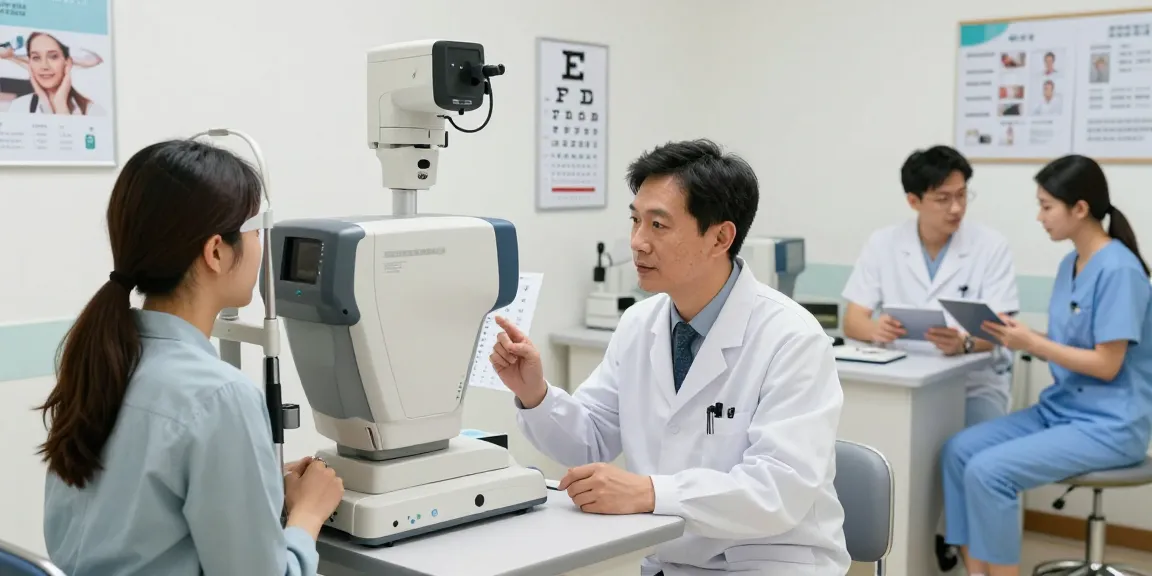
Your initial assessment at SNU Eye Clinic will involve a series of tests to evaluate your overall eye health and specific vision needs. This includes measuring your visual acuity, reviewing your medical history, and identifying any factors that may affect your treatment options.
Questions to Ask During Your Consultation
Having a list of questions prepared can help you engage effectively during your consultation. Consider asking about the types of procedures available, potential risks and benefits, expected recovery times, and any post-operative care required. This dialogue is crucial in making an informed decision about your vision correction options.
Post-Consultation Steps: Next Actions
Following your initial consultation, your eye care specialist will provide a detailed treatment plan tailored to your unique needs. It’s important to follow any pre-operative instructions closely to ensure the best possible outcome. Additionally, scheduling follow-up appointments will be essential in monitoring your progress and making necessary adjustments to your care plan.
Future Trends in Eye Care: What’s on the Horizon?
The future of eye care is promising, with numerous advancements poised to change how we approach vision correction and overall eye health. As technology continues to evolve, the potential for enhanced treatments and patient care strategies is vast.
Emerging Technologies in Vision Correction
Emerging technologies such as advanced imaging systems and artificial intelligence are becoming integral to the field of ophthalmology. These innovations facilitate more accurate diagnoses and allow for highly personalized treatment plans that cater to the individual needs of patients.
Shifts in Patient Care Approaches
The shift towards patient-centered care models is also gaining momentum. These models emphasize collaboration between healthcare providers and patients, promoting shared decision-making and customized treatment paths. This approach not only improves patient satisfaction but also enhances outcomes by ensuring that treatments align closely with individual patient preferences.
The Future of Eye Health in 2026 and Beyond
As we move further into 2026, trends indicate a rise in telemedicine, allowing patients to consult eye care specialists from the comfort of their homes. Such innovations can improve accessibility for those unable to visit clinics in person, ensuring that eye health remains a priority for all.
How SNU Eye Clinic is Leading the Way in Innovation
SNU Eye Clinic is at the forefront of these trends, continually integrating the latest technological advances into our practice. Our commitment to innovation, paired with our extensive experience, positions us as a leading provider of eye care solutions in Korea. By prioritizing patient needs and embracing new treatments, we are shaping the future of eye health for generations to come.

