
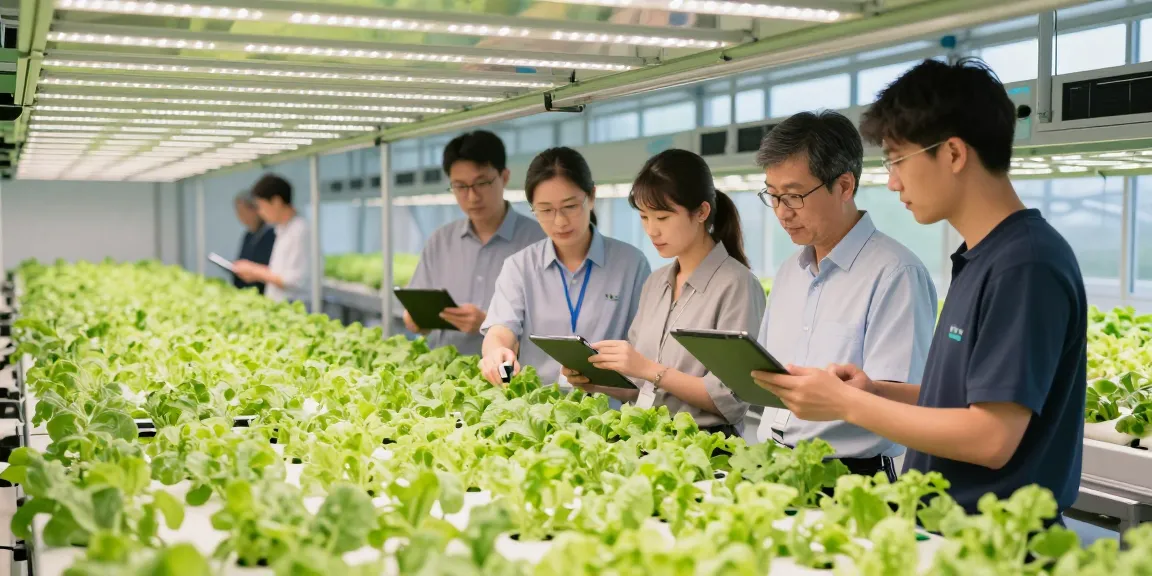
Understanding Indoor Agriculture Technologies
Indoor agriculture has become a critical component of modern farming, leveraging technology to grow crops efficiently in controlled environments. This method of cultivation allows for year-round production, optimizing resources and reducing dependency on natural weather conditions. With the rise of urbanization and the demand for fresh produce, understanding the intricacies of indoor agriculture technologies is essential for both large-scale operations and small farmers. By utilizing innovative solutions such as hydroponics, vertical farming, and climate control systems, businesses can enhance their productivity while ensuring sustainability.
What is Indoor Agriculture?
Indoor agriculture refers to the practice of growing plants within controlled environments, typically using techniques that can include soil-based cultivation, hydroponics, and aeroponics. This method allows farmers to simulate natural conditions, such as light, temperature, and humidity, making it possible to cultivate a wide variety of crops regardless of outdoor climates. The practice is particularly beneficial in urban areas where space is limited, as it enables local food production and reduces transport costs.
Benefits of Vertical Farming
Vertical farming, a subset of indoor agriculture, involves growing crops in stacked layers, often integrated within structures like warehouses or shipping containers. This method maximizes space and can lead to higher yields per square foot compared to traditional farming. Additionally, vertical farms use significantly less water and can minimize the use of pesticides, contributing to healthier produce. As cities grow and agricultural land shrinks, the importance of vertical farming becomes increasingly evident.
Key Technologies in Indoor Agriculture
- Hydroponics: A method of growing plants without soil, using nutrient-rich water solutions.
- Aeroponics: Plants are grown in air or mist environments, allowing for optimal oxygen exposure and growth rates.
- LED Lighting: Energy-efficient grow lights that can be tailored to the specific needs of plants, enhancing growth cycles.
- Climate Control Systems: Technologies that regulate temperature, humidity, and CO2 levels to create ideal growing conditions.
- Automation and IoT: Smart technologies that enable real-time monitoring and management of agricultural systems for improved efficiency.
CIKA4D Link: Revolutionizing Indoor AG
CIKA4D & DAG Facilities are at the forefront of the indoor agriculture revolution, providing comprehensive design and construction services tailored to the needs of modern agricultural enterprises. With a focus on innovative approaches, the cika4d link offers insights and solutions for those looking to optimize their indoor farming operations.
Overview of CIKA4D Solutions
CIKA4D stands out by offering a full suite of services that encompass everything from initial consultation to final construction of indoor agriculture facilities. Their expertise in creating grow rooms, vertical farming systems, and controlled horticultural environments ensures that clients receive solutions that are not only functional but also sustainable and efficient. CIKA4D’s design strategies focus on maximizing space while implementing climate control and lighting systems tailored to specific crops.
Success Stories of CIKA4D Implementations
Numerous case studies illustrate the effectiveness of CIKA4D’s approach. For instance, a recent project involved transforming an abandoned warehouse into a thriving vertical farm capable of producing high-quality vegetables year-round. The implementation of advanced hydroponic systems combined with LED lighting resulted in a 30% increase in yield compared to previous methods used by the client. Each success reinforces the potential of indoor agriculture to meet the demands of a growing population and reduce environmental impact.
How CIKA4D Adapts to Market Needs
Flexibility is key in the ever-evolving agriculture market. CIKA4D continually adapts its offerings based on emerging trends and technologies. By staying ahead of industry developments, they ensure that their clients benefit from the latest innovations, such as automated systems and best practices in sustainability. This adaptability not only enhances productivity but also positions CIKA4D as a leader in indoor agriculture solutions.
Design and Construction Best Practices
Designing and constructing an efficient indoor agriculture facility requires careful planning and consideration of various factors. Understanding best practices can greatly influence the success of a project.
Optimal Layout for Grow Rooms
The layout of grow rooms is crucial in maximizing space while ensuring optimal plant health. Efficient use of vertical space with shelving or stacked growing systems can significantly increase productivity. Additionally, the arrangement should allow for easy access to plants for maintenance and harvesting.
Essential Equipment for Indoor Farms
- Growing Systems: Hydroponic and aeroponic systems tailored to the type of crops being grown.
- Lighting: Energy-efficient LED systems that provide the necessary wavelengths for plant growth.
- Climate Control: HVAC systems designed specifically for indoor agriculture needs, including humidity and temperature regulation.
- Water Management: Innovative irrigation systems that conserve water while maintaining optimal moisture levels.
Energy Efficiency Strategies
Energy consumption is a significant concern in indoor agriculture. Implementing energy-efficient technologies and practices, such as using renewable energy sources or optimizing lighting schedules, can substantially reduce operational costs. For instance, utilizing solar panels to power indoor facilities can lead to long-term savings and a smaller carbon footprint.
Future Trends in Indoor Agriculture
The landscape of indoor agriculture is constantly changing, with new trends emerging that promise to shape its future. Staying informed about these trends is essential for anyone involved in the industry.
Sustainable Practices in 2026
As environmental concerns become more pressing, sustainable practices in indoor agriculture will likely gain more attention. Techniques such as regenerative agriculture, which focuses on improving soil health and biodiversity, will be integrated into indoor systems. This approach not only sustains but enhances the ecosystem.
Emerging Technologies to Watch
Technological advancements will continue to drive efficiency in indoor farming. Innovations in biotechnology, such as genetically modified organisms (GMOs) designed to thrive in indoor conditions, and AI-driven analytics for crop management, are just a couple of areas to watch. These technologies promise to enhance productivity while minimizing environmental impact.
Market Predictions for Indoor Agriculture
Market analysts suggest that by 2026, the indoor agriculture industry will see substantial growth, propelled by increasing consumer demand for locally sourced food. This shift will likely lead to an expansion of commercial facilities and an increase in funding and research aimed at developing more efficient systems. Understanding these market dynamics is crucial for stakeholders looking to invest in or enhance their indoor agriculture ventures.
Frequently Asked Questions about CIKA4D
How can I start with CIKA4D Link?
Getting started with CIKA4D is straightforward. Interested parties are encouraged to reach out through their website to schedule a consultation. During this initial phase, CIKA4D’s team will discuss specific needs, potential locations, and design concepts.
What support does CIKA4D provide during construction?
CIKA4D offers comprehensive support throughout the construction process, ensuring that all installations meet the agreed-upon specifications and quality standards. Their experienced professionals oversee every aspect, from initial design to final inspections.
Are CIKA4D solutions affordable for small farmers?
CIKA4D aims to provide scalable solutions that cater to various budgets. By offering different tiers of service and design options, they can accommodate the needs of small farmers as well as larger enterprises.
What are the environmental benefits of using CIKA4D?
CIKA4D’s solutions emphasize sustainability, utilizing energy-efficient technologies and promoting practices that minimize waste. These efforts help reduce the carbon footprint of agriculture while ensuring a steady supply of fresh produce.
How to contact CIKA4D for more information?
For further inquiries, individuals can visit CIKA4D’s website and utilize the contact form available. Their customer service team is dedicated to providing timely responses and support.