
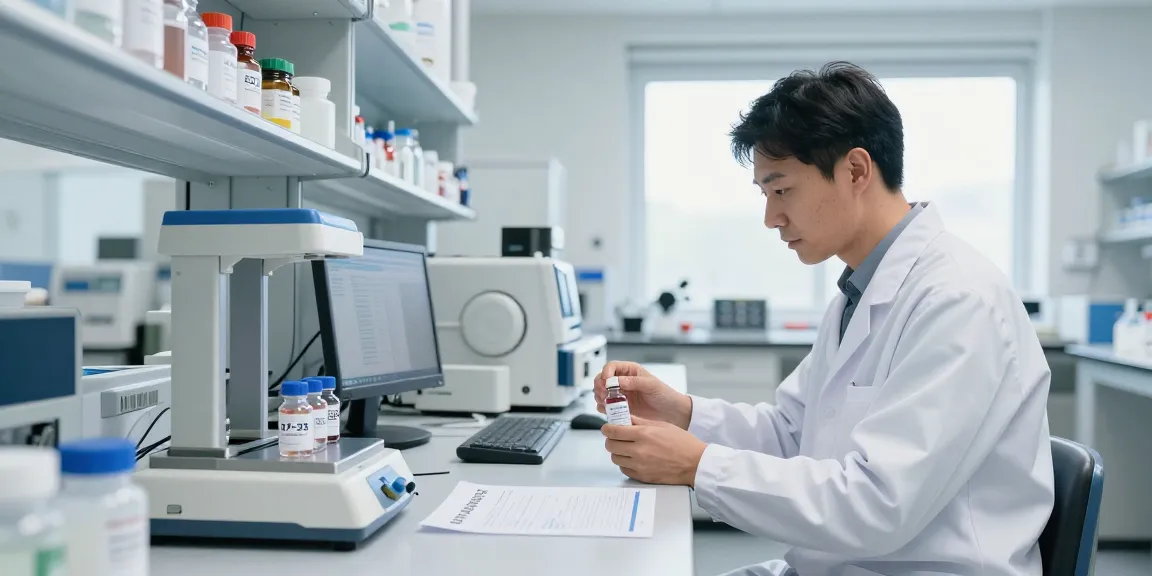
Understanding Research Peptides
Research peptides are short chains of amino acids that have become increasingly popular in various fields of study, including biochemistry, molecular biology, and medical research. These compounds serve as tools for scientists aiming to explore biological mechanisms, evaluate therapeutic potentials, or develop innovative treatments. Among the most sought-after research peptides is b7-33, a compound with a range of applications that researchers are eager to explore. When searching for reliable suppliers, options such as b7-33 for sale offer comprehensive insights into this compound.
What Are Research Peptides and Their Applications?
Research peptides are synthesized to mimic the biological functions of naturally occurring peptides. Their applications can vary widely, from therapeutic interventions in regenerative medicine to cognitive enhancements in neurobiology. Each peptide has unique properties that make it suitable for specific types of research. For example, peptides like BPC-157 are known for their regenerative effects, while nootropic peptides such as Semax and Selank are explored for their potential cognitive benefits.
Key Benefits of Using b7-33 for Sale in Scientific Research
The compound b7-33 has gained attention due to its promising biological activity. Some of the key benefits of utilizing this peptide in research include:
- Targeted Action: b7-33 is designed to interact with specific biological targets, allowing for precise experimental outcomes.
- Versatile Applications: This peptide can be applied across multiple research domains, such as immunology, regenerative medicine, and neurobiology.
- Enhanced Research Capabilities: Its unique mechanism of action can help scientists uncover new insights into complex physiological processes.
Exploring the Mechanism of Action of b7-33
Understanding the mechanism of action of b7-33 is crucial for researchers. Preliminary studies suggest that b7-33 may influence cellular signaling pathways that regulate key processes in healing and regeneration. Researchers often investigate how such peptides can modulate inflammation, promote cell proliferation, or impact neuroplasticity.
Legal Landscape of Research Peptides in 2026
The regulatory environment surrounding research peptides is evolving. In 2026, it remains essential for researchers to stay informed about the legal status of compounds like b7-33, especially concerning their use in laboratories.
Current Legal Status of b7-33 for Sale in the US and Canada
Currently, b7-33 and similar research peptides can be legally purchased and sold in the United States and Canada, provided they are strictly designated for laboratory use. This ensures that researchers can explore these compounds without concerns of violating federal regulations. However, compliance with specific labeling and usage standards remains crucial to avoid legal pitfalls.
Regulatory Changes Impacting Research Peptides
As of 2026, significant regulatory changes have been introduced that affect the handling and distribution of research peptides. Both the FDA and Health Canada have issued new guidelines that clarify the status of “research-use only” substances. These changes emphasize the importance of transparent documentation, including Certificates of Analysis (COA), which guarantee the quality and legality of the compounds.
Compliance Guidelines for Researchers Handling b7-33
Researchers are advised to adhere to strict compliance guidelines when handling b7-33 and similar peptides. Key guidelines include:
- Ensure all purchases include a COA confirming the peptide’s purity and identity.
- Label all samples accurately to prevent misuse and ensure compliance with research standards.
- Maintain meticulous records of all research activities involving b7-33 to provide accountability and traceability.
Quality Assurance in Research Peptide Acquisition
Quality assurance is paramount when sourcing research peptides. Ensuring that you receive high-quality compounds can significantly impact the outcomes of your studies.
Understanding Certificates of Analysis (COA)
A Certificate of Analysis (COA) is a critical document that provides detailed information on the quality and composition of a research peptide. A COA typically includes:
- Batch number
- Purity percentage, often verified through High-Performance Liquid Chromatography (HPLC)
- Mass spectrometry data confirming the peptide’s identity
- Endotoxin testing results for sensitive applications
Receiving a COA with your order adds a layer of assurance that the peptide meets the necessary quality standards for rigorous scientific research.
Importance of HPLC Purity and Testing Methods
HPLC purity is a significant marker of quality in research peptides. A peptide with ≥ 99% purity is generally considered suitable for most laboratory applications. Researchers should also be aware of various testing methods, including:
- Reverse-Phase HPLC: This method separates components based on their hydrophobic interactions, allowing for the precise measurement of peptide purity.
- LC-MS (Liquid Chromatography-Mass Spectrometry): This technique combines the capabilities of liquid chromatography and mass spectrometry to confirm the identity and molecular weight of the peptides.
Evaluating Vendor Reliability for b7-33 Purchases
Choosing a reliable vendor for purchasing b7-33 is critical for maintaining the integrity of your research. Consider the following factors:
- Reputation: Look for vendors with positive reviews and a strong presence in the scientific community.
- Transparency: Reliable vendors provide comprehensive information, including COAs and detailed product descriptions.
- Customer Support: Responsive customer service can facilitate a smoother purchasing experience and address any queries you may have.
Best Practices for Utilizing b7-33 in Research
To maximize the research potential of b7-33, it’s essential to follow best practices in its application.
Optimal Dosage and Administration Techniques
Determining the optimal dosage of b7-33 can vary depending on the specific research objectives and the method of administration. Common administration routes include:
- Intravenous (IV) Injection: Allows for rapid onset of action.
- Intramuscular (IM) Injection: Often used for sustained release.
- Subcutaneous (SC) Injection: Suitable for self-administration in certain experimental setups.
It is recommended to start with lower dosages and gradually increase based on experimental responses and specific research goals.
Common Misconceptions About b7-33 Usage
There are several misconceptions surrounding the use of research peptides like b7-33. Some common myths include:
- Research peptides are equivalent to drugs: In reality, they are only intended for laboratory use and not for human or veterinary applications.
- Higher doses always yield better results: Optimal dosing is complex and depends on numerous factors, including the specific effects desired.
Case Studies Highlighting Successful Applications of b7-33
Case studies illustrating the successful application of b7-33 can provide valuable insights for researchers. For instance, studies have highlighted its potential in enhancing tissue regeneration and modulating inflammation in animal models, showcasing its versatility in therapeutic research.
Future Trends in Research Peptides and b7-33
The landscape of research peptides, including b7-33, is rapidly evolving, presenting new opportunities and challenges for scientists.
Emerging Research and Development in Peptide Science
As peptide science progresses, innovative applications are continually being explored. Researchers anticipate that advancements in peptide synthesis and delivery methods will lead to more effective therapeutic strategies, particularly in regenerative medicine and neuroprotection.
Predictions for the Market Growth of b7-33 in 2026
With the ongoing interest in b7-33 as a research peptide, market growth is expected to reflect the increasing demand for high-quality research materials. It is projected that a growing number of academic and private research institutions will invest in b7-33 and its derivatives to advance their studies.
Innovative Applications of b7-33 in Various Fields
B7-33 is poised to find applications not only in pharmacological research but also in fields such as cosmetics, where its regenerative properties may hold promise for anti-aging formulas. Additionally, its potential role in cognitive enhancement therapies may lead to breakthroughs in treating neurodegenerative diseases.
What are the key benefits of using b7-33?
The key benefits of using b7-33 relate to its targeted action, versatility across various research domains, and potential to enhance detailed scientific inquiry.
Are there any legal restrictions on purchasing b7-33?
Currently, there are no legal restrictions on purchasing b7-33 for laboratory use in the US and Canada, provided it is not intended for human or veterinary consumption.
How can I ensure the quality of b7-33 I am buying?
To ensure the quality of b7-33, always request a Certificate of Analysis and verify that the vendor uses appropriate testing methods, such as HPLC and LC-MS.
What are the best practices for handling research peptides?
Best practices for handling research peptides include strict adherence to dosage guidelines, accurate labeling, maintaining comprehensive records, and sourcing from reputable vendors.
What future developments can we expect for b7-33?
Future developments for b7-33 may include enhanced production techniques, expanded applications in therapeutic settings, and growing interest in its mechanisms of action across various biological systems.