Understanding the Basics of TradingView
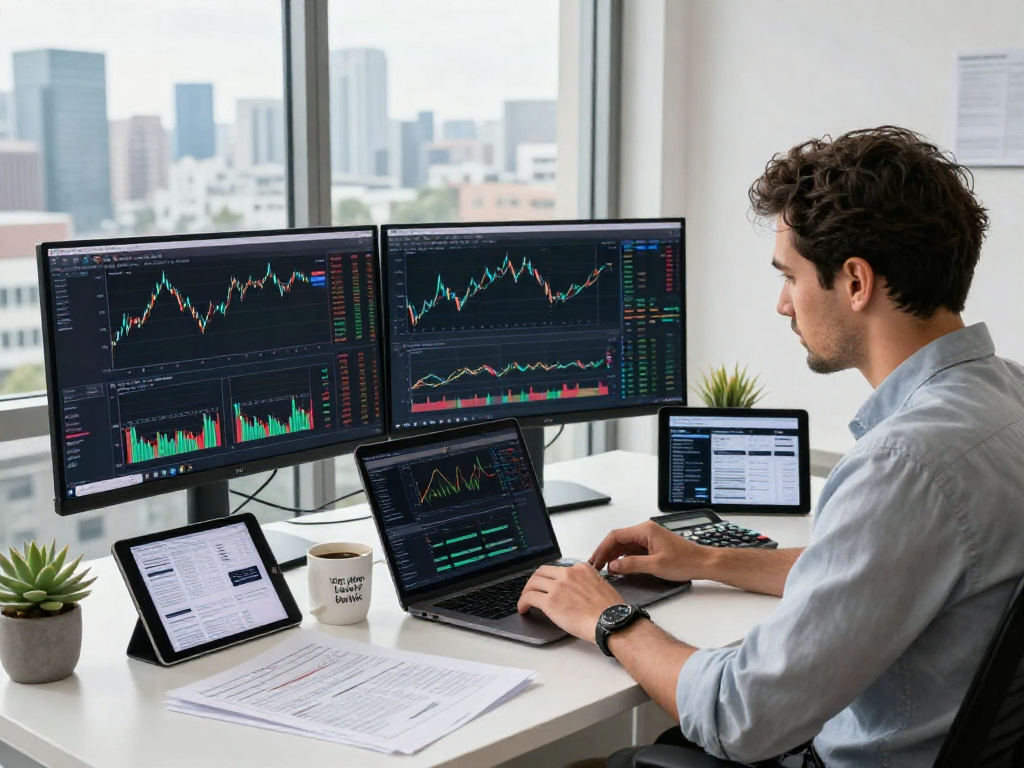
In the ever-evolving landscape of financial trading, staying ahead of the curve is crucial for both novice and seasoned traders. TradingView stands out as a comprehensive platform that not only provides advanced charting tools but also integrates social networking features that allow users to share insights and strategies. This combination empowers traders to make informed decisions and cultivate effective trading habits.
What is TradingView and How Does It Work?
TradingView is a cloud-based platform that offers real-time stock market data, charting tools, and financial analysis capabilities. Users can access the platform through web browsers or mobile apps on various devices, including desktops and smartphones. The platform supports multiple asset classes, including stocks, forex, cryptocurrencies, and derivatives, allowing traders to switch seamlessly between different markets without the need for multiple applications.
At its core, TradingView enables users to create highly customizable charts using a variety of technical indicators and drawing tools. These features, combined with a built-in social network, allow traders to share ideas and collaborate while making informed decisions. Users can also interact through community-driven features such as public scripts, chat rooms, and idea sharing, making it a hub for modern trading.
Key Features That Set TradingView Apart
TradingView is distinguished by several key features that enhance the trading experience:
- Customizable Charts: Create multiple layouts with various timeframes and indicators to suit different trading styles.
- Pine Script: An intuitive scripting language that allows users to build custom indicators and strategies directly within the TradingView environment.
- Community Sharing: Users can share insights, analyses, and trading strategies, contributing to a rich ecosystem of knowledge.
- Real-Time Alerts: Set alerts based on price movements, technical indicators, or specific events, helping traders react swiftly to market changes.
- Strategy Tester: Backtest trading strategies using historical data to assess their viability before applying them in live trades.
Getting Started: Setting Up Your TradingView Account
To get started with TradingView, users need to create an account, which can be done in a few simple steps:
- Visit the TradingView website and click on the “Sign Up” button.
- Provide the necessary information, including email address and password, or sign up using social media accounts for quicker access.
- Explore the customizable dashboard and begin to set up charts based on individual trading preferences.
Once your account is set up, it’s important to familiarize yourself with the features available on the platform to maximize your trading potential.
Maximizing Trading Strategies with TradingView
Trading is not just about making buy and sell decisions; it’s also about developing strategies that can be backtested and refined over time. TradingView makes this process easier through its various tools and features.
Using Pine Script for Custom Strategies
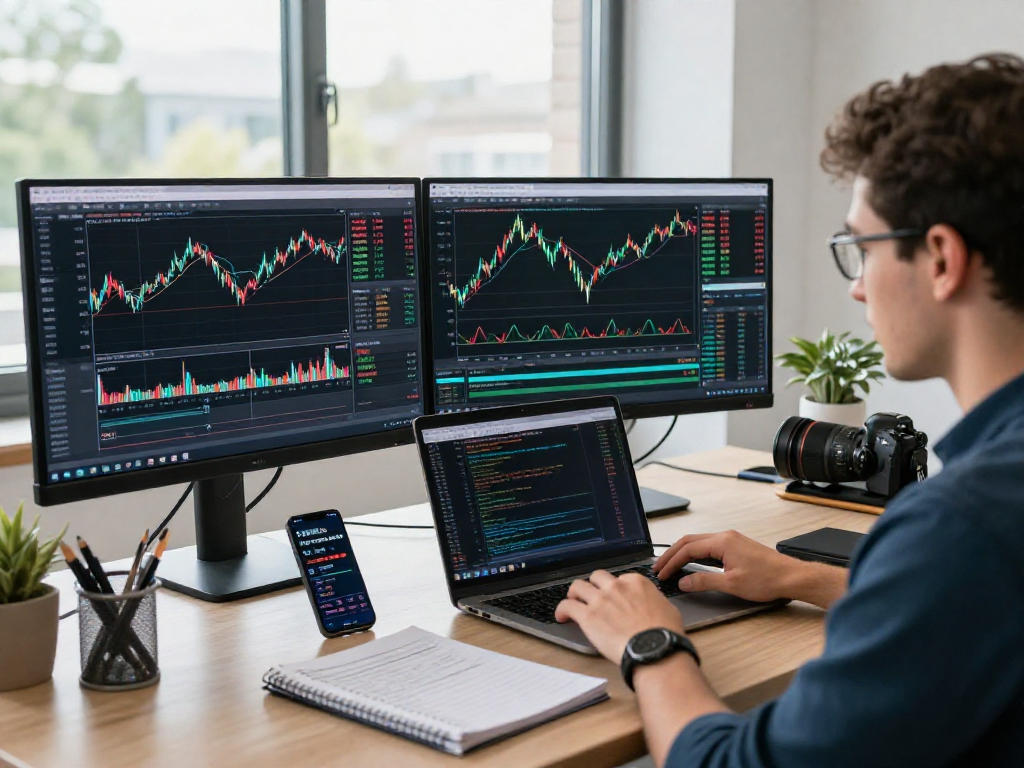
Pine Script is a powerful tool within TradingView that allows users to code their own technical indicators and strategies. The scripting language is accessible enough for beginners while being robust enough for advanced users. Here are some key aspects of using Pine Script:
- Custom Indicators: Create indicators tailored to your trading style that can be plotted directly on your charts.
- Alerts Integration: Set alerts based on custom logic defined in your Pine Script, ensuring you never miss a trading opportunity.
- Community Sharing: Publish your scripts for community use or download scripts created by other users to enhance your trading toolkit.
Backtesting Your Trades with Strategy Tester
The Strategy Tester feature in TradingView allows traders to evaluate their strategies using historical data. This is critical for understanding how a strategy would have performed in the past. Here’s how to effectively use this feature:
- Select Your Strategy: Choose the strategy you want to test; you can either use a preset or your own custom Pine Script.
- Define the Testing Period: Set the timeframe for your backtest to assess how the strategy operated in different market conditions.
- Analyze Results: Review the performance metrics, such as win rate, drawdown, and net profit, to gauge the effectiveness of the strategy.
Real-time Alerts: Staying Ahead of Market Movements
Real-time alerts are essential for active traders who need to monitor multiple markets. TradingView allows users to set customizable alerts that can be triggered by various conditions:
- Price Levels: Receive notifications when an asset reaches predefined price points.
- Technical Indicators: Get alerts based on specific technical events, such as moving average crossovers or RSI levels.
- Economic Events: Stay informed about macroeconomic releases that could impact your trading positions.
Building Effective Trading Habits with TradingView
Developing good trading habits is crucial for long-term success in the financial markets. TradingView offers several features that can help users establish consistent trading routines.
Creating Your Customized Watchlist
A watchlist is a vital tool for traders, enabling them to track specific assets of interest. TradingView allows users to create customizable watchlists where they can add stocks, currencies, cryptocurrencies, and more. This feature facilitates quick access to essential information and helps prioritize trading opportunities.
Implementing a Four-Step Research Process
A well-structured research process can significantly enhance trading outcomes. Here’s a simple four-step method you can apply using TradingView:
- Screening: Utilize TradingView’s screeners to filter assets based on specific criteria, such as price movement, volume changes, or technical indicators.
- Analysis: Analyze the filtered assets using custom charts and indicators to identify potential trading opportunities.
- Execution: Plan and execute trades based on your analysis and established trading strategies.
- Review: Reflect on your trades and outcomes to identify areas for improvement and refine your strategies.
Tracking Your Progress: Reviewing Trade Performance
Keeping track of your trades is vital for continuous improvement. TradingView provides tools to document trades and assess their performance over time. Users can utilize journals or built-in analytics to analyze metrics such as profit/loss ratios, average win/loss, and overall success rates.
Advanced Tools and Features for Serious Traders
For traders looking to take their skills to the next level, TradingView offers advanced tools that can provide deeper insights into market dynamics.
Multi-Layout Options: Analyzing Multiple Markets Simultaneously
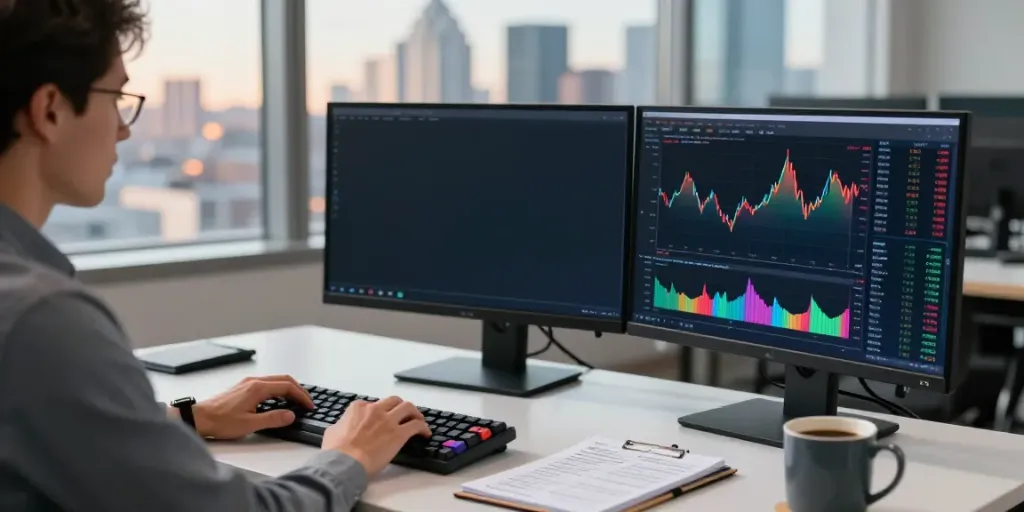
The multi-layout feature in TradingView allows users to view multiple charts and market data simultaneously. This is particularly useful for those who trade across different asset classes or who need to monitor various economic indicators at once. By customizing layouts, traders can quickly switch between different analyses without losing focus.
Utilizing Heat Maps and Screeners for Quick Analysis
Heat maps and screeners are powerful visualization tools that can quickly convey market sentiment and performance. With TradingView, users can access these tools to:
- Identify Trends: Quickly spot which assets are performing well and which are underperforming.
- Monitor Volatility: Assess markets based on volatility to prioritize trades based on risk appetite.
Integrating Economic Calendars with Your Trading Plan
Economic calendars offer valuable insights into upcoming events that could affect market conditions. By integrating an economic calendar with TradingView, traders can:
- Prepare for News Reports: Stay informed about crucial economic indicators, such as employment reports and interest rate decisions.
- Plan Trading Strategies: Adjust strategies in anticipation of market volatility surrounding major announcements.
Future Trends and the Evolution of TradingView
As we move towards 2026, several trends are likely to shape the trading environment and the features of TradingView.
What to Expect from TradingView in 2026
With advancements in technology and data analytics, TradingView is expected to integrate even more sophisticated machine learning and AI tools. This will enable traders to:
- Receive Personalized Insights: Tailored trading suggestions based on individual trading habits and preferences.
- Enhanced Automation: Advanced trading bots and automated strategies that can execute trades based on pre-set conditions.
Adapting to Changes in Market Dynamics
The financial markets are highly dynamic, and traders must be prepared to adapt. TradingView aims to provide real-time updates and community-driven insights that aid in navigating market fluctuations and emerging trends.
How Community Insights Will Shape Trading Strategies
The community aspect of TradingView is likely to grow, allowing for an even more collaborative approach to trading. Sharing insights and analysis will foster a community where traders can learn from each other, refining their strategies based on shared experiences and market observations.
Is TradingView Worth It? Exploring User Experiences
User feedback often highlights the usability and functionality of TradingView. Many users appreciate its comprehensive toolset while noting the value of the community interactions. However, it's essential to evaluate personal trading needs to determine if the platform’s offerings align with individual goals.
Can You Trust TradingView? Understanding Security Measures
Security is a paramount concern for traders, and TradingView implements several measures to protect user data and ensure privacy. Features such as two-factor authentication and secure payment processing help build trust among users.
What's Better than TradingView? Comparing Alternatives
While TradingView is an excellent platform for many traders, alternatives exist that may cater to specific preferences or requirements. Platforms like MetaTrader, Thinkorswim, and others offer different features that traders can compare based on their trading styles.