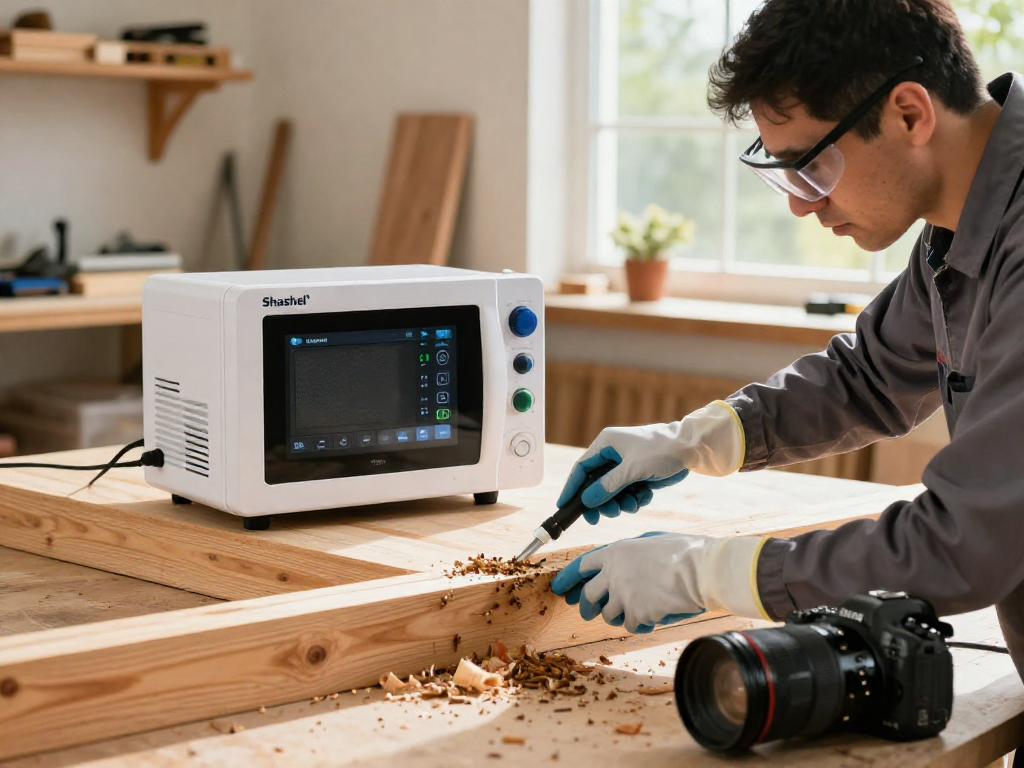
Understanding Woodworm Infestations
Woodworm infestations are a common issue among homeowners and woodworkers alike, often leading to significant damage if not addressed promptly. These infestations are caused by the larvae of various wood-boring beetles, which tunnel through wood and can compromise the integrity of furniture, beams, and other structures. Many people are unaware of the signs of woodworm damage and how quickly it can escalate, making it essential to understand the early warning signs and effective treatment methods available. For effective solutions, exploring Shashel can provide comprehensive insights into modern pest control technologies.
What are Woodworms and How Do They Infest?
Woodworms are not a single species but rather a term used to describe the larvae of wood-boring beetles. These larvae feed on wood, causing significant damage as they burrow and create tunnels. Common species include the common furniture beetle, the deathwatch beetle, and the powder-post beetle. They typically infest timber that is damp, untreated, or in poor condition, and once they take hold, they can lead to structural issues if left untreated.
Infestation usually begins when adult beetles lay eggs in cracks or holes in wood. Once the larvae hatch, they begin to feed on the wood itself, creating small exit holes that are often mistaken for tiny nail holes. Over time, this can weaken the wood, making it more susceptible to cracks and breaks.
Signs of Woodworm Damage in Your Home
Homeowners must be vigilant about identifying potential woodworm damage early. Key signs include:
- Small exit holes: These are often the first visible sign of an infestation.
- Wood dust: Frass, or wood dust, may accumulate below infested wood.
- Damaged wood: Look for soft or crumbling sections in beams, furniture, and flooring.
- Live beetles: Spotting adult beetles can indicate an active infestation.
Early detection and treatment are crucial to prevent severe damage, which may require costly repairs.
Common Misconceptions About Woodworm Treatment
There are many myths surrounding woodworm treatment that can lead to ineffective solutions. One common misconception is that simply applying a surface treatment will eliminate the problem. In reality, this often fails to penetrate deep enough to reach the larvae inside the wood. Another myth is that woodworm infestations are limited to old or antique wood; however, new timber can also be at risk, especially if not treated properly upon installation.
The Science Behind Shashel Microwave Technology
Shashel is at the forefront of innovative pest control solutions, utilizing microwave technology to target and eliminate woodworm infestations effectively. This method presents a safer, more efficient alternative to traditional chemical treatments. By using controlled microwaves, Shashel can penetrate wood without causing damage and eliminate pests in a matter of minutes.
How Shashel Works to Eliminate Woodworms
The Shashel equipment operates by emitting microwaves that agitate and heat the moisture within the wood. This process rapidly raises the temperature, which is lethal to woodworm larvae. The microwave treatment is designed to ensure that every part of the affected wood reaches the required temperature to eradicate the pests while preserving the structural integrity of the wood.
Benefits of Microwave Treatments Over Traditional Methods
Compared to conventional chemical treatments, microwave technology offers several significant benefits:
- Speed: Treatment can be completed in minutes, rather than days or weeks.
- Environmentally friendly: The microwave method avoids harmful chemicals that can pose risks to humans and pets.
- No residues: There are no toxic residues left behind, making it a safer option for residential and commercial spaces.
- High efficacy: The targeted nature of the treatment ensures that virtually all pests are eliminated, including those hiding deep within the wood.
Safety Considerations and Best Practices
While Shashel's microwave technology is safe when used correctly, certain safety considerations should be followed. Operators should use protective gloves and eyewear when handling the equipment to prevent accidents. Additionally, it’s essential to ensure that the area is well-ventilated and that any sensitive electronics are removed from the vicinity before treatment.
Implementing Shashel in Wood Treatment Processes
To maximize the effectiveness of the Shashel equipment, it’s important to follow a systematic approach when implementing it in wood treatment processes. This section will guide you through a step-by-step process for utilizing Shashel technology effectively.
Step-by-Step Guide to Using Shashel Equipment
- Assess the Infestation: Begin by identifying the extent and location of the woodworm infestation.
- Prepare the Area: Clear the surrounding space of any items that may interfere with the treatment, including furniture and electronics.
- Set Up the Equipment: Follow the manufacturer's instructions to set up the Shashel microwave unit, ensuring it’s properly calibrated for the type and size of the wood being treated.
- Conduct the Treatment: Turn on the equipment and allow it to run for the recommended duration, monitoring the process to ensure that the wood reaches the required temperature.
- Post-Treatment Inspection: After the treatment, inspect the wood for any remaining signs of infestation and repeat the process if necessary.
Common Challenges When Using Shashel and Solutions
While the Shashel equipment is user-friendly, some challenges may arise during the treatment process:
- Uneven Heating: If the wood is thick or has irregular shapes, it may heat unevenly. Ensuring that the equipment is appropriately set up can mitigate this issue.
- Equipment Limitations: Understanding the limitations of the equipment regarding the size of the wood being treated is essential to prevent ineffective treatment.
- Operator Experience: Training and experience can make a difference in treatment outcomes. Investing in operator education can lead to better results.
Real-World Case Studies of Successful Treatments
Numerous success stories illustrate the efficacy of Shashel technology in treating woodworm infestations:
- Case Study 1: A historic home suffering from extensive woodworm damage was treated with Shashel. The treatment eliminated the infestation quickly, allowing for restoration without structural compromise.
- Case Study 2: A furniture manufacturer integrated Shashel into their production line, reducing the occurrence of defects due to woodworm by 95%.
These case studies highlight the real-world application and success of microwave technology in pest control.
Maximizing Efficiency with Shashel Technology
Efficiency is key in pest control, and Shashel technology offers various ways to streamline the woodworm elimination process.
Time Saved Using Shashel for Woodworm Elimination
Traditional woodworm treatments can take days to weeks, especially with chemical treatments requiring multiple applications. In contrast, the Shashel process can eliminate pests within minutes, significantly reducing labor time and enabling quicker restoration of affected areas.
Long-Term Benefits of Preventive Maintenance with Shashel
Regularly utilizing Shashel technology for preventive maintenance can lead to significant long-term savings by avoiding severe infestations that necessitate costly repairs. Implementing a routine check with Shashel can enhance the longevity of wooden structures and furniture, ensuring they remain pest-free.
Measuring Success: Metrics for Treatment Efficacy
To evaluate the effectiveness of Shashel treatments, consider the following metrics:
- Reduction in Infestations: Track the frequency of woodworm reports before and after treatment.
- Structural Integrity: Assess any changes in the physical condition of treated wood over time.
- User Feedback: Gather testimonials from operators and homeowners regarding their experiences and satisfaction levels.
Future Trends in Pest Control Technology
As we look towards 2026 and beyond, pest control technology is expected to evolve further, with Shashel leading the way in innovations.
Emerging Innovations in Microwave Treatments by 2026
Future advancements in microwave technology may include more compact, portable units that can be used in a wider variety of settings, from residential areas to large industrial operations. Enhanced software for monitoring treatment effectiveness and customized treatment plans tailored to specific types of wood and infestations are also anticipated.
Predictions for Pest Control Industry Improvements
The pest control industry is likely to see an increased focus on environmentally friendly solutions. Innovations in technology, like Shashel's microwave methods, will play a significant role in replacing traditional chemical treatments, leading to safer and more sustainable practices.
Expert Insights on Sustainable Practices and Shashel’s Role
Experts in the pest control field emphasize the importance of integrating sustainable practices into wood treatment processes. Shashel's commitment to environmentally friendly pest control aligns with the broader trends toward sustainability, and its effectiveness in rapidly eradicating woodworm infestations demonstrates its value in the industry.
What is Shashel's effectiveness against other pests?
In addition to woodworms, Shashel's microwave technology is effective against a range of other pests, including beetles, moths, and even some species of termites. Its ability to penetrate wood and heat it rapidly makes it a versatile tool for various pest control needs.
How long does the Shashel treatment process take?
The Shashel treatment process can typically take from a few minutes to an hour, depending on the extent of the infestation and the type of wood being treated. This rapid application is one of the key selling points of Shashel technology.
Is using Shashel safe for residential applications?
Yes, using Shashel equipment is safe for residential applications as long as proper safety protocols are followed. The technology avoids harmful chemicals, making it an eco-friendly option for homeowners seeking effective pest control solutions.
What maintenance is required for Shashel equipment?
Maintaining Shashel equipment involves regular cleaning, checks for wear and tear, and calibration to ensure it operates efficiently. Following the manufacturer's guidelines will help prolong the equipment's life and effectiveness.
Can Shashel be used on different types of wood?
Yes, Shashel technology is effective on a variety of wood types, including softwoods and hardwoods. However, the treatment settings may need to be adjusted depending on the wood's density and moisture content.