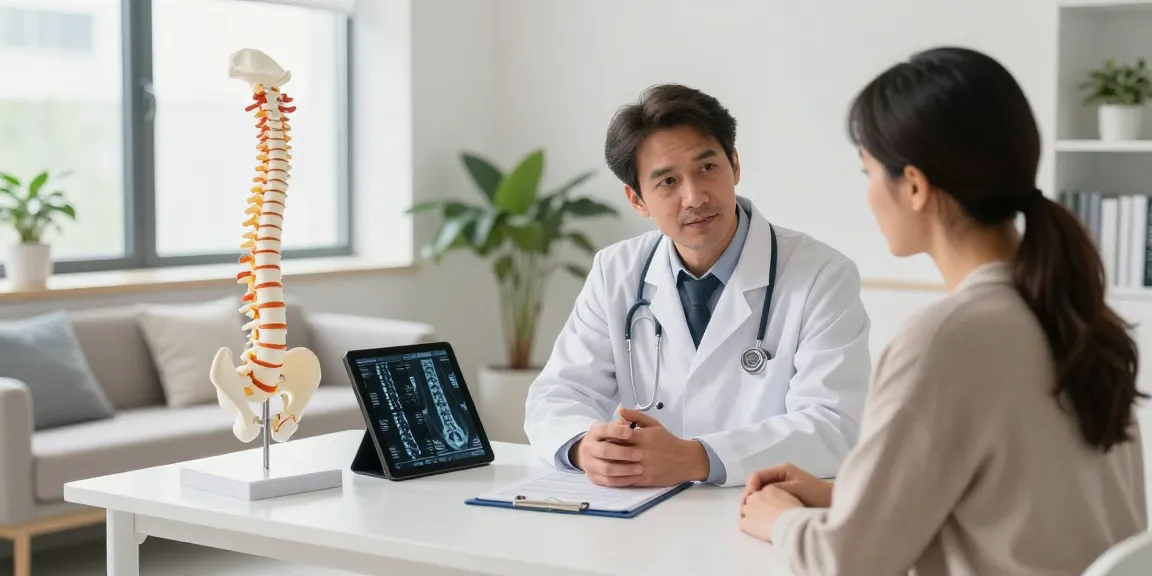
Understanding Bel Kayması Ameliyatı: What You Need to Know
Bel kayması, medically known as spondylolisthesis, is a condition where one vertebra slips forward over another. This disorder primarily affects the lumbar region of the spine and can lead to significant physical discomfort and impaired mobility. As individuals seek solutions to their back pain, understanding the intricacies of Bel kayması ameliyatı becomes essential. In this article, we will discuss vital aspects, including symptoms, diagnosis, treatment options, and post-surgery recovery.
What is Bel Kayması (Spondylolisthesis)?
Spondylolisthesis occurs when a vertebra in the lumbar spine shifts out of place, disrupting the spinal alignment. This condition can result from various factors, including congenital defects, degenerative changes due to aging, or injuries. The severity of spondylolisthesis is often classified into grades based on the degree of slippage:
- Grade I: 0-25% slippage
- Grade II: 26-50% slippage
- Grade III: 51-75% slippage
- Grade IV: 76-100% slippage
Understanding these grades is crucial for both diagnosis and treatment planning. As the slip progresses, the likelihood of neurological symptoms increases, highlighting the need for early intervention.
Symptoms of Bel Kayması Ameliyatı
The symptoms of bel kayması can vary widely, depending on the severity of the condition. Common complaints include:
- Lower back pain
- Leg pain (sciatica)
- Numbness or tingling in the legs
- Muscle weakness
- Difficulty walking or standing for long periods
In many cases, pain intensifies during specific movements, such as bending backward or lifting objects. Understanding these symptoms can help patients identify when to seek medical advice.
Common Causes of Lumbar Spondylolisthesis
Several factors contribute to the development of lumbar spondylolisthesis:
- Degenerative Disc Disease: Wear and tear on the spine due to aging can lead to instability and slippage.
- Stress Fractures: Overuse injuries, particularly in athletes, can result in fractures that cause vertebrae to slip.
- Congenital Conditions: Some individuals are born with structural abnormalities that predispose them to spondylolisthesis.
- Trauma: Accidents or falls can lead to sudden shifts in vertebra positioning.
An accurate understanding of these causes plays a crucial role in effective management and treatment strategies.
Diagnosis Process for Bel Kayması Ameliyatı
Accurate diagnosis of spondylolisthesis is essential for appropriate treatment. The process typically involves several steps:
How is Spondylolisthesis Diagnosed?
The diagnosis begins with a thorough medical history and physical examination. During the physical exam, a healthcare provider will assess the patient’s range of motion and strength, checking for discomfort or pain during specific movements.
Role of Imaging Techniques in Diagnosis
Imaging techniques are vital for confirming a diagnosis of spondylolisthesis. Common modalities include:
- X-rays: Useful for visualizing the alignment of vertebrae.
- Magnetic Resonance Imaging (MRI): Provides detailed images of spinal structures and can help identify nerve compression.
- Computed Tomography (CT) Scans: Offers cross-sectional images for a more comprehensive assessment of bone structure and alignment.
These imaging techniques allow healthcare providers to accurately assess the degree of spondylolisthesis and any associated issues.
Importance of Comprehensive Patient History
A detailed patient history is crucial in identifying the onset of symptoms and potential contributing factors. Patients should discuss previous back injuries, family history of spinal disorders, and lifestyle factors that may impact spinal health.
When is Bel Kayması Ameliyatı Necessary?
Determining the need for surgical intervention in cases of spondylolisthesis involves careful evaluation of symptoms and treatment efficacy. Generally, surgery is considered when:
Evaluating Treatment Options: Conservative vs. Surgical
Initial treatment usually involves conservative measures such as physical therapy, pain management, and lifestyle modifications. When these approaches fail to provide relief, surgical options may be explored.
Signs That Surgery May Be Required
Surgery is often recommended under specific conditions, including:
- Severe, persistent pain that affects daily activities
- Significant neurological impairment or weakness
- Progressive deterioration of symptoms despite conservative treatment
Recognizing these signs can guide patients in making informed decisions regarding their treatment options.
Can Bel Kayması Improve Without Surgery?
Yes, in certain cases, mild to moderate spondylolisthesis may improve with non-surgical treatments. These may include:
- Physical therapy focused on strengthening and stabilizing back muscles
- Use of braces for support
- Medications to manage pain and inflammation
It's important for patients to engage in ongoing discussions with their healthcare providers to monitor their condition and adapt treatment plans as necessary.
Bel Kayması Ameliyatı Procedure: What to Expect
When surgery is deemed necessary, understanding the procedure can alleviate patient anxiety. The typical process involves:
How is the Surgery Performed?
Bel kayması ameliyatı usually involves fusion surgery, where the affected vertebra is stabilized by fusing it with adjacent bones. This can be achieved through:
- Posterior Lumbar Fusion: Accessing the spine from the back to stabilize the vertebrae.
- Anterior Lumbar Fusion: A less common approach but can be effective for specific cases.
Each method has its advantages and potential complications, which should be discussed with the surgeon.
What Techniques Are Commonly Used?
Surgeons may use various techniques and materials to enhance stability, including:
- Bone Grafts: Used to facilitate fusion between vertebrae.
- Metal Implants: Screws and rods may be used to stabilize the spine during the healing process.
These interventions aim to restore spinal alignment and alleviate nerve pressure, significantly improving patient outcomes.
What Happens During the Recovery Period?
The recovery process is crucial for long-term success and typically involves:
- Hospital stays lasting a few days, depending on the complexity of the surgery
- Use of pain management strategies, including medications and physical therapy
- A gradual return to daily activities, with follow-up appointments to monitor recovery
Patients must adhere strictly to their rehabilitation plans to ensure optimal healing.
Cost and Insurance Considerations for Bel Kayması Ameliyatı
The financial aspect of spondylolisthesis surgery can vary significantly based on multiple factors. Patients should consider the following:
Factors Affecting the Cost of Surgery
Hospital fees, surgeon fees, and associated costs such as imaging and rehabilitation will influence the total expenditure. Additionally, the complexity of the surgery and the type of facility (public vs. private) can also impact costs.
Insurance Coverage for Spondylolisthesis Surgery
Insurance plans vary widely in their coverage for surgical procedures. Patients should verify:
- If the procedure is covered
- Required pre-authorization steps
- Any out-of-pocket expenses
It's advisable to have thorough discussions with insurance representatives for clarity on coverage specifics.
Financial Planning and Resources for Patients
Patients may need to explore financial assistance programs or payment plans offered by healthcare providers. Many hospitals provide resources to help patients navigate their financial responsibilities related to surgery.
What are the Risks of Bel Kayması Ameliyatı?
While surgery can provide significant relief, it comes with inherent risks, including:
- Infection at the surgical site
- Bleeding or blood clots
- Nerve damage, which could lead to persistent pain or weakness
Informed consent is an essential aspect of the pre-surgical process, where patients are made aware of potential complications.
How Long Does It Take to Recover from Surgery?
Recovery times vary but generally range from several weeks to months, depending on the type of surgery performed and the individual's overall health. Adherence to rehabilitation protocols is critical for a successful recovery.
Can Bel Kayması Be Treated Non-Surgically?
As mentioned earlier, many patients can experience significant relief through conservative treatments. Non-surgical options remain viable alternatives, especially for those with less severe presentations of spondylolisthesis.
Is Bel Kayması Surgery Difficult?
Modern surgical techniques and technology have made bel kayması ameliyatı relatively safe and effective, although the complexity of each case can vary. Proper surgical planning and a skilled surgical team are crucial for optimal outcomes.
Can You Expect Full Recovery After Surgery?
While many patients achieve full recovery, factors such as age, health status, and adherence to rehabilitation can influence outcomes. For more information, Bel kayması ameliyatı offers valuable insights. Regular follow-up appointments are essential in tracking progress and addressing any concerns early.