
Understanding Shashel’s Microwave Technology
As the world leans towards more sustainable solutions, the need for efficient pest control methods has never been more pressing. Among the various options available, Shashel stands out with its innovative approach to eliminating wood-boring insects. Utilizing microwave technology, Shashel devices offer a chemical-free method that promises rapid results while ensuring safety for both structures and occupants.
What Is Shashel and How Does It Work?
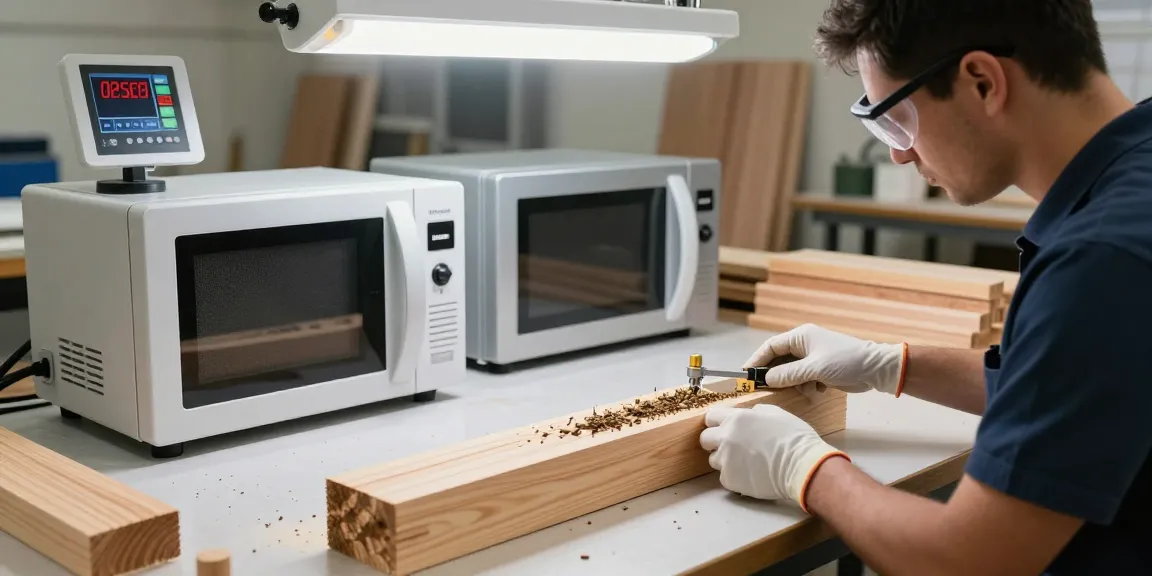
Shashel is a specialized brand focusing on the treatment of woodworm and other wood-boring pests. The core technology behind Shashel’s effectiveness is its microwave treatment device, designed to emit specific frequencies that penetrate wood and target harmful insects. The microwaves excite water molecules present in the wood, rapidly raising the temperature to levels lethal for woodworm larvae and adult beetles, eliminating them in a matter of minutes.
The Science Behind Microwave Pest Control
The science of microwave pest control leverages a fundamental principle: when water molecules heat up, they generate steam, which can efficiently kill pests hidden deep within wooden structures. This method not only eradicates visible insects but also addresses larvae and eggs that traditional treatments often miss. By effectively penetrating the wood without causing damage, Shashel ensures that your wooden assets are preserved while also becoming free of pests.
Benefits of Using Shashel Compared to Traditional Methods
Shashel offers significant advantages over conventional pest control methods, which often involve chemical treatments that may pose risks to health and the environment. Here are some benefits:
- Rapid Elimination: The ability to remove pests within minutes means minimal downtime for wooden structures.
- Chemical-Free: Using no toxic substances makes Shashel a safe choice for homes, especially in environments with children and pets.
- Deep Penetration: Unlike surface treatments, Shashel’s technology penetrates deep into wood, ensuring a thorough treatment.
- Environmentally Friendly: By avoiding chemicals, Shashel contributes to a more sustainable approach to pest control.
Immediate Benefits of Shashel Equipment
Quick Elimination of Wood-Boring Insects
One of the standout features of Shashel devices is their ability to provide quick results. Users often report seeing a noticeable reduction in wood-boring insect activity within minutes of treatment. This rapid response is crucial for maintaining the integrity of wooden structures, which can suffer severe damage if pests are allowed to proliferate unchecked.
Eco-Friendly Approaches in Pest Treatment
Shashel promotes an eco-friendly approach by eliminating the reliance on chemical pesticides that can have long-lasting effects on ecosystems. The technology fits with the growing consumer demand for green solutions, allowing users to protect their properties without harming the environment.
Ensuring Safety for Home and Occupants
The microwave treatment employed by Shashel is non-invasive and does not emit harmful gasses or residues that can affect indoor air quality. This safety aspect is particularly important for homeowners looking to protect vulnerable populations, such as children, pets, or those with respiratory conditions.
Effective Wood Treatment Techniques
Best Practices for Using Shashel Devices
To ensure optimal results from your Shashel device, adhere to the following best practices:
- Inspect Before Treatment: Conduct a thorough inspection of wooden structures to identify all areas affected by pests.
- Surface Preparation: Clear any obstructions and make sure the area is accessible to allow proper treatment.
- Follow Manufacturer Instructions: Always comply with the operational guidelines provided by Shashel to ensure effective treatment.
Common Mistakes to Avoid During Treatment
While using Shashel, avoid these common pitfalls to enhance effectiveness:
- Skipping Inspection: Failing to inspect wooden structures can lead to incomplete treatment.
- Neglecting Safety Precautions: Always ensure that all individuals and pets are out of the treatment area before starting.
- Rushing the Process: Follow the recommended treatment duration; impatience can lead to inadequate pest elimination.
Steps to Prepare Your Wood for Microwave Treatment
Proper preparation is essential for the success of your pest control efforts. Here are the steps to get your wood ready:
- Remove any furniture or items that may obstruct access to the wooden structures.
- Inspect for signs of infestation, noting which areas will require focused treatment.
- Ensure the area is dry, as excess moisture can hinder the effectiveness of the microwave treatment.
Success Stories and Case Studies
Real-Life Examples of Shashel in Action
Numerous case studies highlight the effectiveness of Shashel’s microwave technology in various settings. From historical buildings to modern homes, the reports consistently show successful eradication of wood-boring pests without harming the structures themselves.
How Businesses Have Benefited from Shashel Technology
Businesses with significant wooden infrastructure have turned to Shashel to protect their investments. For instance, furniture manufacturers reported increased efficiency in their production processes by using Shashel devices, which allowed for faster turnaround times on wood treatment.
Customer Testimonials About Their Shashel Experience
Customers who have used Shashel often praise its convenience and effectiveness. Testimonials frequently highlight the peace of mind gained from knowing their homes are free from potential damage caused by pests, while also being safe from toxic chemicals.
The Future of Pest Control with Shashel
Emerging Trends in Microwave Technology for 2026 and Beyond
Looking forward, the pest control industry is expected to see increased adoption of microwave technology as a go-to solution for pest management. As the need for environmentally friendly alternatives continues to rise, Shashel is positioned to lead this shift.
Predictions for Pest Management Innovations
Innovation in pest control will likely encompass more user-friendly devices and enhanced safety features. Anticipations include the integration of smart technology, allowing users to monitor treatment effectiveness via mobile applications.
How Shashel is Paving the Way for Sustainable Solutions
Shashel not only promotes effective pest control but also embodies a commitment to sustainability. By focusing on chemical-free treatments, the company supports environmentally responsible practices that resonate with eco-conscious consumers.
What Are the Key Features of Shashel Devices?
Shashel devices are equipped with several features designed to maximize their effectiveness:
- Deep Penetration Technology: Ensures thorough treatment of even the most inaccessible areas of wood.
- User-Friendly Interface: Allows for easy operation by anyone, regardless of experience with pest control.
- Compact Design: Makes it convenient for both residential and commercial use.
Is Shashel Treatment Safe for All Types of Wood?
Yes, Shashel’s microwave technology is safe for various types of wood. The process is designed to heat the wood without causing any damage, making it suitable even for delicate wood types.
How Can I Maintain My Shashel Equipment?
To ensure longevity and effectiveness, regularly inspect and clean your Shashel device. Follow the manufacturer’s maintenance guidelines to avoid any performance issues.
What to Expect After Using Shashel for Pest Control?
Following treatment, you can expect a significant reduction, if not complete elimination, of wood-boring pest activity. It’s recommended to conduct a follow-up inspection to confirm the treatment’s success.
How Long Does the Shashel Treatment Last?
The lasting effect of Shashel treatment can vary based on environmental factors and the extent of the infestation, but typically, it provides lasting protection against pests for several months to years. Regular monitoring is advisable to maintain wood health.
